Blog

Practical notes on software, products, and growth.

The ZerithonLabs blog provides practical guides about Laravel, databases, application architecture, deployment, hosting, server security, and maintainable web development. These articles are written for developers and technical teams that want direct explanations, working examples, and production-minded approaches to building and operating business software.

Zerithonlabs - AI SEO Explained: How to Get Your Website Cited by ChatGPT, Claude, and Gemini

AI SEO Explained: How to Get Your Website Cited by ChatGPT, Claude, and Gemini

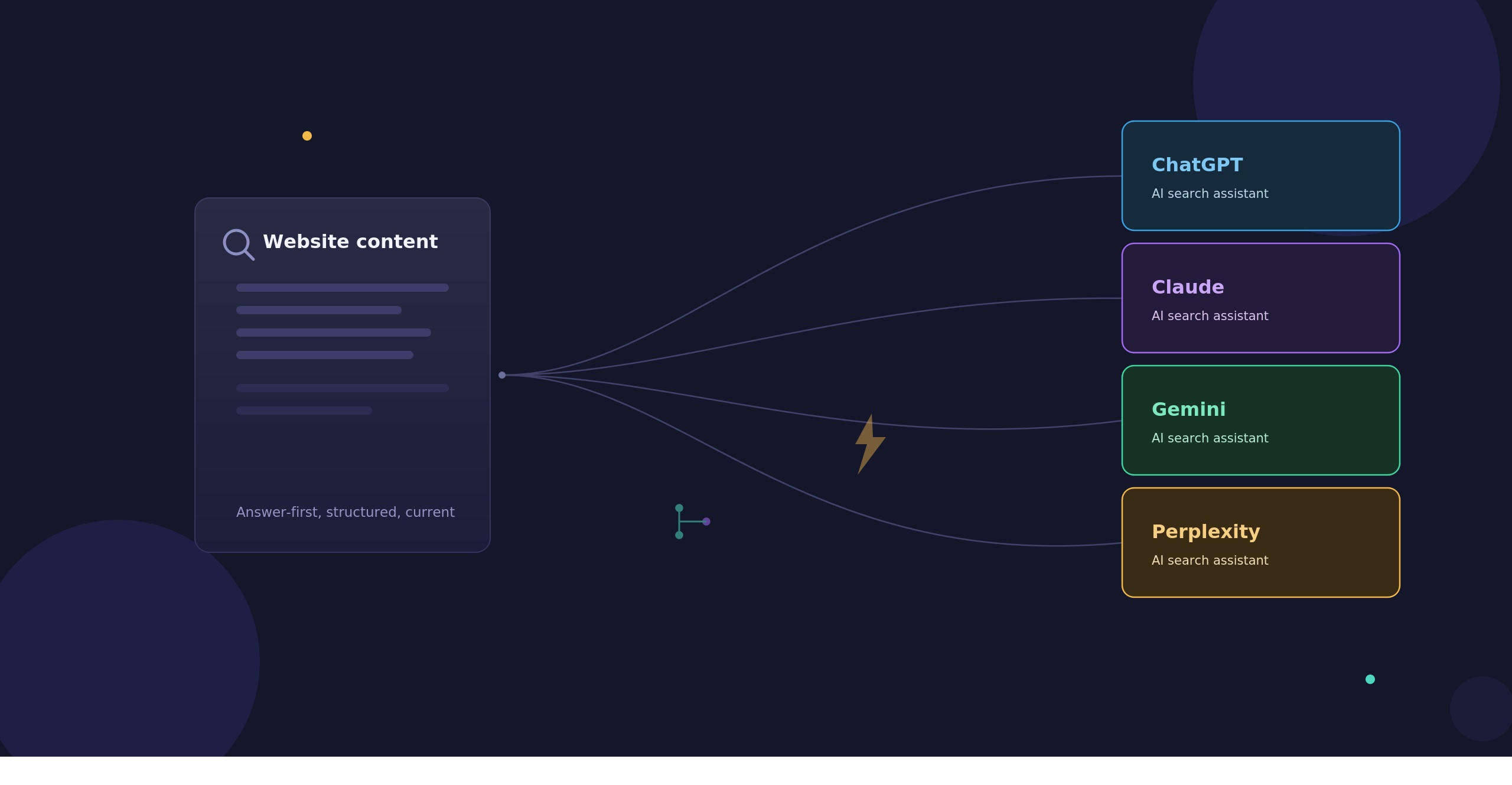
Search is changing — people now ask ChatGPT, Claude, and Gemini questions directly instead of clicking through ten blue links. This guide breaks down what AI SEO (GEO/AEO) actually is, why it matters even for a small business site, and the concrete technical and content changes that help AI systems find, understand, and cite your website — based on real changes we made to this site.
AEO AI Content Strategy GEO llms.txt Schema Markup SEO Web Development
Eloquent ORM Explained for New Laravel Developers: Migrations, Commands, Relationships, Pivot, Polymorphic & Eager Loading

Eloquent ORM Explained for New Laravel Developers: Migrations, Commands, Relationships, Pivot, Polymorphic & Eager Loading

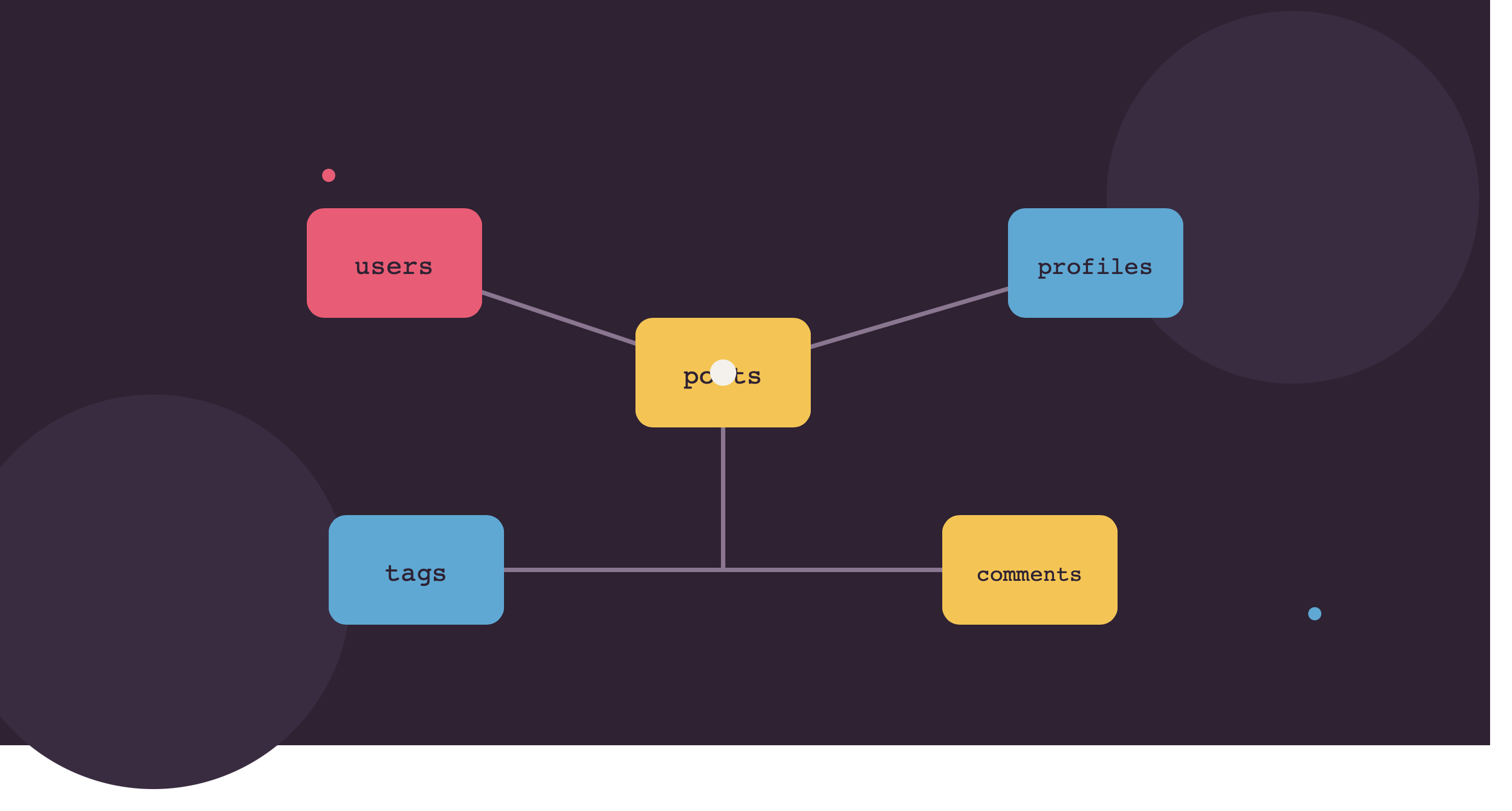
Eloquent turns database tables into plain PHP objects you can work with naturally — $user->posts instead of writing a JOIN by hand. This is the ground-up guide: migrations, the artisan commands you'll type daily, every relationship type with a working example (including pivot tables and polymorphic relations), accessors/mutators, and eager loading to solve the N+1 query problem before it slows your app down.

Artisan Eloquent Laravel Migrations ORM Relationships
Laravel Service Container & Service Providers: How They Work, With a Practical Registration Example

Laravel Service Container & Service Providers: How They Work, With a Practical Registration Example

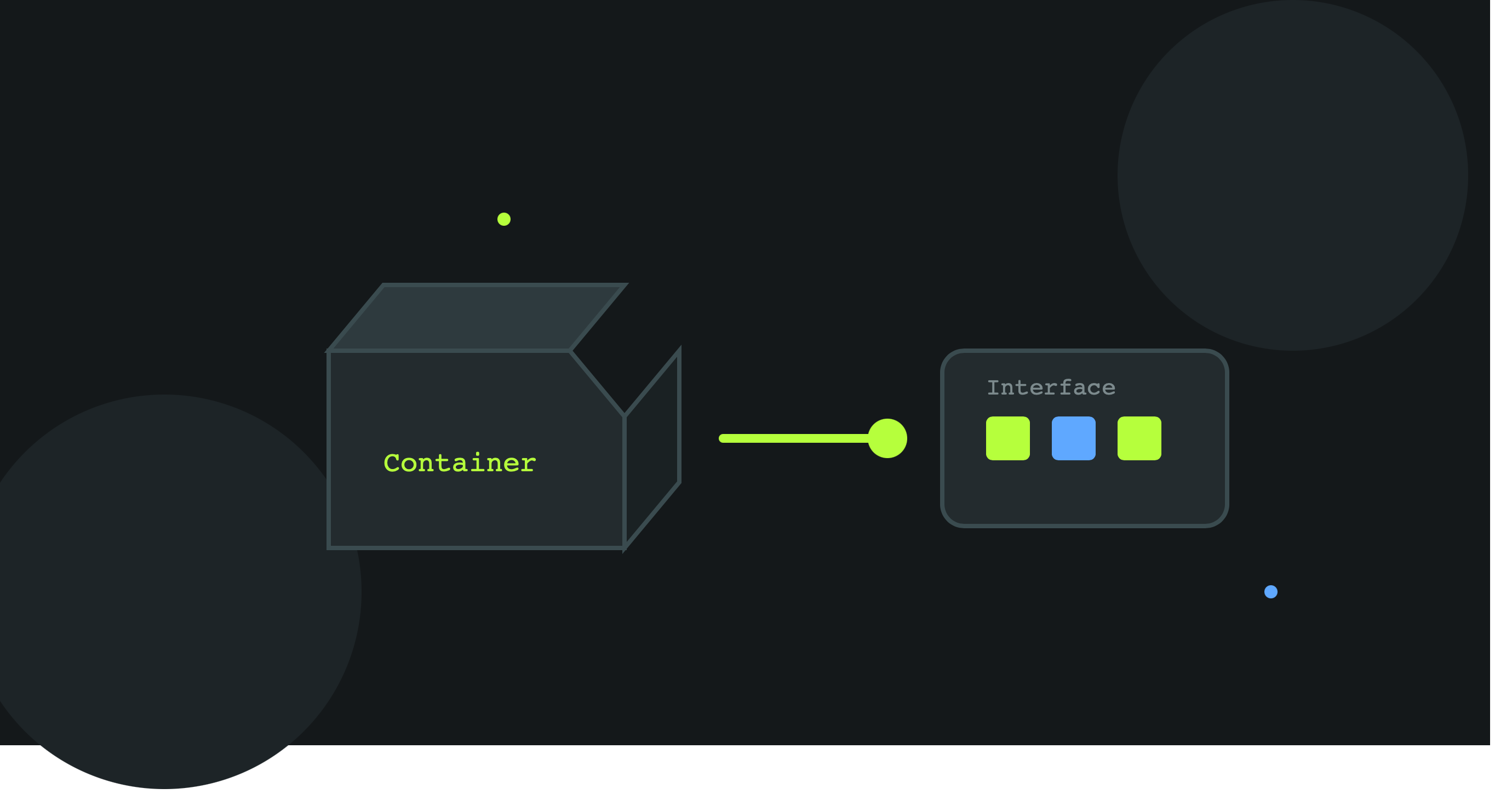
The service container and service providers are the two pieces of Laravel most developers use daily without ever really understanding — right up until a binding doesn't resolve the way they expect. This guide breaks down what each one actually does, how they work together, and walks through a full practical example: building and registering a swappable notification service via a custom provider and constructor injection.

Architecture Dependency Injection Laravel Service Container Service Provider
Setting Up a New Laravel Project the Right Way: Vite, Custom Templates & Git, Step by Step

Setting Up a New Laravel Project the Right Way: Vite, Custom Templates & Git, Step by Step

The first hour of a new Laravel project sets the tone for everything after it — get Vite configuration, template integration, and app config right, and every feature slots in smoothly afterward. This is the practical, step-by-step version: from composer create-project through setting the site identity, wiring Vite correctly, converting a raw HTML template into proper Blade layouts, and pushing a clean first commit to Git.

Getting Started Git Laravel Project Setup Templates Vite
Laravel Seeders & Factories in Practice: Auto-Creating a Default Admin and Site Settings

Laravel Seeders & Factories in Practice: Auto-Creating a Default Admin and Site Settings

Every fresh Laravel install needs an admin account to log into and basic site settings so it isn't blank on first load — doing this manually every deploy is exactly what seeders exist to eliminate. This guide covers seeders vs factories properly, then builds a real example: a default admin seeded from .env credentials using firstOrCreate so it's safe to re-run, plus a flexible settings table for site name, logo, timezone, favicon, and meta tags.

Best Practices Database Factories Laravel Seeders
Database Design Best Practices: Indexing, Relational Design & Datatypes — with a Music Playlist Example

Database Design Best Practices: Indexing, Relational Design & Datatypes — with a Music Playlist Example

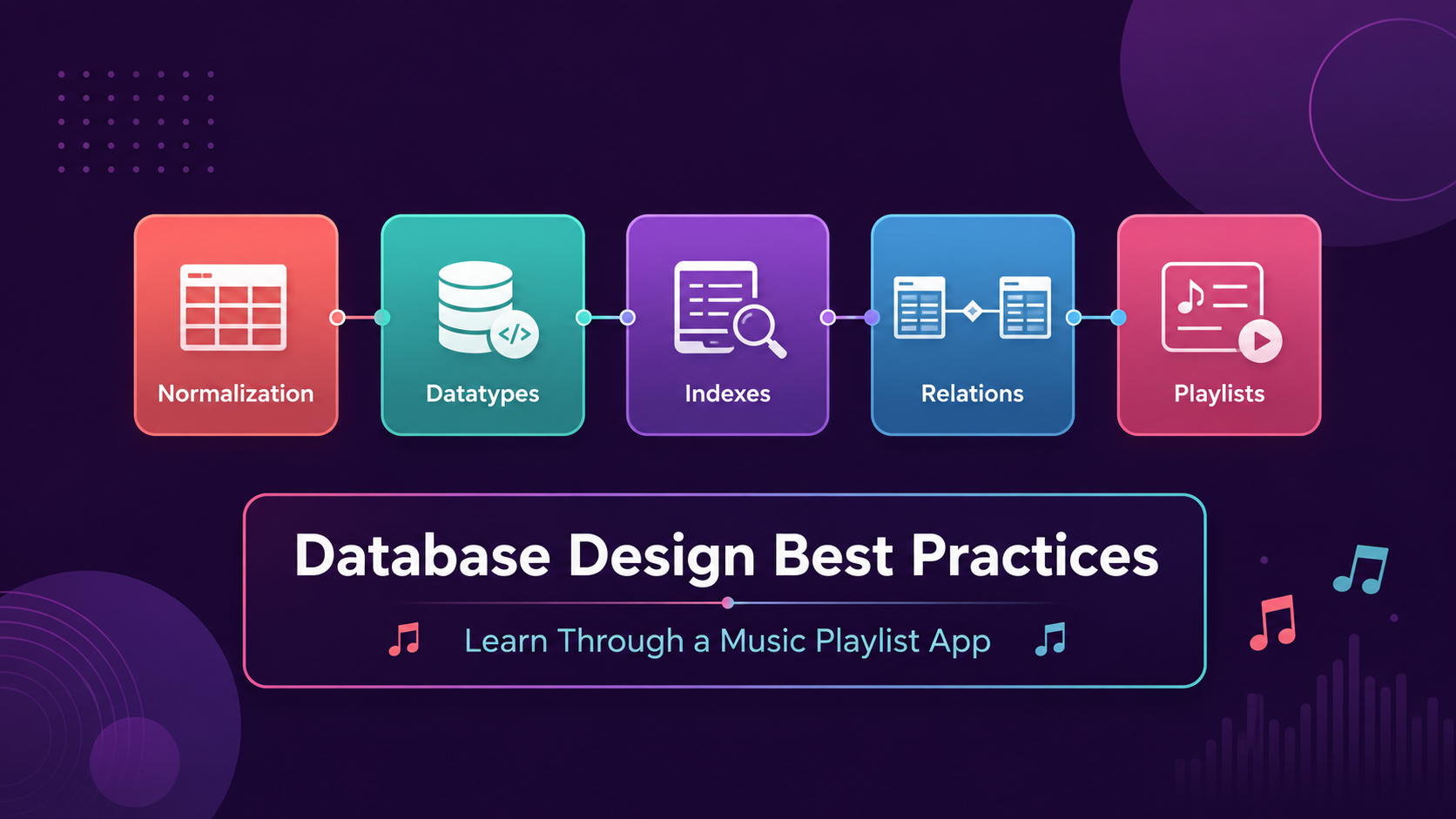
Most database performance and maintainability problems trace back to day-one decisions: wrong datatypes, missing indexes, and un-normalized relationships. This guide covers the core principles — normalization, datatype sizing, and indexing strategy — then applies every one of them to a complete practical example: a music playlist system with singers, songs, categories, and user playlists, including the full SQL schema, Laravel migrations, and how to avoid the N+1 query problem.

Database Design Indexing Laravel MySQL Normalization SQL